Buy sentify.eu ?
We are moving the project
sentify.eu .
Are you interested in purchasing the domain
sentify.eu ?
domain@kv-gmbh.de · 0541-91531010
Buy sentify.eu ?
How do you conduct a break-even analysis for a startup?
To conduct a break-even analysis for a startup, you need to first identify the fixed and variable costs associated with running the business. Fixed costs include expenses like rent, salaries, and utilities, while variable costs include items like raw materials and production costs. Next, calculate the contribution margin, which is the difference between the selling price per unit and the variable cost per unit. Then, divide the total fixed costs by the contribution margin to determine the break-even point in units. This analysis will help the startup understand how many units or sales they need to cover their costs and start making a profit. **
What is the break-even point 2?
The break-even point 2 is the level of sales at which a company's total revenues equal its total costs, resulting in neither profit nor loss. It is a key financial metric used to assess the viability of a business and its ability to cover its fixed and variable costs. By reaching the break-even point 2, a company can start generating profits beyond that level of sales. It is an important milestone for businesses to achieve in order to ensure long-term sustainability and growth. **


Similar search terms for Break-even
Top-Angebote
Products related to Break-even:
-
Jessica Bend Dont Break 14.8mlMaximise flexibility and minimise breakage with this advanced base coat. Suitable for any nails that break easily. Ingredients: Ethyl Acetate, Butyl Acetate, Nitrocellulose, Acetyl Tributyl Citrate, Isopropyl Alcohol, Adipic Acid/Neopentyl Glycol/Trimellitic Anhydride Copolymer, Trimethylpentanediyl Dibenzoate, Aqua/Water/Eau, Acrylates Crosspolymer-4, Sucrose Acetate Isobutyrate, PEG-8/SMDI Copolymer, Tosylamide/Epoxy Resin, Dimethicone, Benzophenone-3, Trimethylsiloxysilicate, Alcohol, Argania Spinosa Kernel Oil, Polyvinyl Butyral, Citral, Magnesium Ascorbyl Phosphate, Ethylhexyl Palmitate, Alcohol Denat., Hydrolyzed Wheat Protein, Dimethyl Oxobenzo Dioxasilane, CI 26100/Red 17, CI 60725/Violet 2.21,50 £*Shipping: 2,95 £Secure redirect to the provider
-
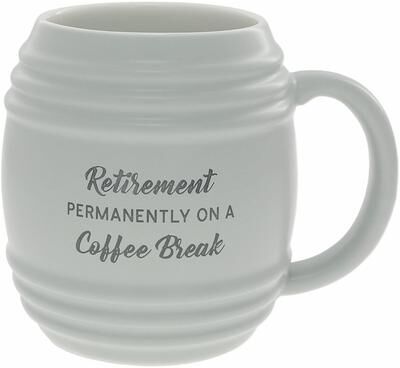
Pavilion Permanent Coffee Break MugCelebrate retirement in style with this 20 oz ceramic barrel mug featuring a sophisticated matte gray finish, glossy white interior, ribbed texture, and raised “Retirement - Permanently on a Coffee Break” sentiment.23,39 $*Shipping: 0,00 $Secure redirect to the provider
-
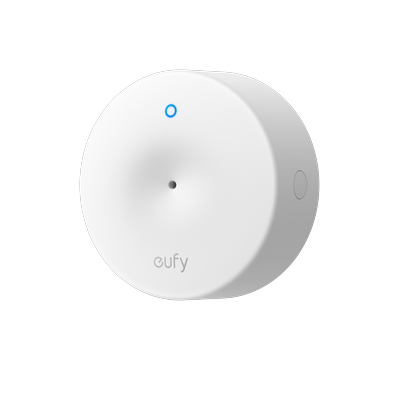
eufy Glass Break Sensor E10 WhitePrecise Detection with an Advanced Algorithm: A neural chip and an AI algorithm trained on common glass types ensure accurate glass-break detection. Wide Glass Type Compatibility: Detects breaks across 6 glass types—plate, coated, laminated,...49,99 $*Shipping: 0,00 $Secure redirect to the provider
-
Dear Doer Break Scrub Body Scrub 300mLA body scrub for oily or blemish-prone skin. Smooth, clear, and refreshed— Break Scrub deeply exfoliates, purifies, and revitalizes oily and blemish-prone skin. Break free from body imperfections—scrub your way to flawless skin. Deeply cleanses pores and removes impurities. Improves skin texture and clarity.17,14 £*Shipping: 6,94 £Secure redirect to the provider


-
Where is the break-even point located?
The break-even point is located at the intersection of the total revenue and total cost curves on a graph. It represents the level of output or sales at which a company's total revenues equal its total costs, resulting in neither profit nor loss. At this point, the company has covered all its expenses and has reached a point of financial equilibrium. Beyond the break-even point, the company starts to generate profit, while below the break-even point, it incurs losses. **
-
How do you calculate the break-even point?
To calculate the break-even point, you need to determine the fixed costs and the contribution margin per unit. The break-even point is reached when total revenue equals total costs, which can be expressed as: Break-even point (in units) = Fixed costs / Contribution margin per unit. This calculation helps businesses understand the level of sales needed to cover all costs and start making a profit. **
-
How do you determine the break-even point?
The break-even point is determined by finding the level of sales at which total revenue equals total costs, resulting in zero profit or loss. To calculate the break-even point, you can use the formula: Break-even point (in units) = Fixed costs / (Selling price per unit - Variable cost per unit). This formula helps you determine the number of units you need to sell in order to cover all your fixed and variable costs. By knowing the break-even point, you can make informed decisions about pricing, production levels, and overall business strategy. **
-
What is the break-even point at 5?
The break-even point is the level of sales at which total revenue equals total costs, resulting in neither profit nor loss. At a sales level of 5, the break-even point can be calculated by determining the total costs and total revenue at that level of sales. If the total revenue equals the total costs at a sales level of 5, then that would be the break-even point. It is important to consider both fixed and variable costs when calculating the break-even point. **


What is the break-even point at 6?
The break-even point is the level of sales at which total revenue equals total costs, resulting in neither profit nor loss. At a sales level of 6, the break-even point can be calculated by determining the total costs and total revenue at that level of sales. If the total costs at a sales level of 6 are $600 and the total revenue is also $600, then the break-even point is 6. This means that at a sales level of 6, the company is neither making a profit nor incurring a loss. **
What is the equation for the break-even point?
The equation for the break-even point is: Break-even point = Fixed costs / (Selling price per unit - Variable cost per unit) This equation calculates the number of units that need to be sold in order to cover all fixed and variable costs, resulting in a net profit of zero. The fixed costs are the expenses that do not change regardless of the level of production, while the variable costs are the expenses that vary with the level of production. The selling price per unit represents the revenue generated from each unit sold. **
Top-Angebote
Products related to Break-even:
-
NIVEA Even & Smooth gift set for an even skin toneNIVEA Even & Smooth, , Skin Serums for Women, Everything for beautiful-looking skin in one package. The NIVEA Even & Smooth beauty gift set contains not one but several products to help you create or enrich your daily beauty routine and make you or your loved ones happy to get it as a gift. The set contains: NIVEA Face Cleansing bi-phase eye makeup remover 125 ml NIVEA Luminous 630 Skin Glow brightening face serum 30 ml Labello Over Night Care repair lip balm with lavender 4.8 g Characteristics: comprehensive care for everyday routine for a comprehensive skin care routine evens skin tone amazing as a gift a treat for any woman How to use: Use every product from the cosmetic set according to the instructions.13,26 £*Shipping: 3,99 £Secure redirect to the provider
-
Jessica Bend Dont Break 14.8mlMaximise flexibility and minimise breakage with this advanced base coat. Suitable for any nails that break easily. Ingredients: Ethyl Acetate, Butyl Acetate, Nitrocellulose, Acetyl Tributyl Citrate, Isopropyl Alcohol, Adipic Acid/Neopentyl Glycol/Trimellitic Anhydride Copolymer, Trimethylpentanediyl Dibenzoate, Aqua/Water/Eau, Acrylates Crosspolymer-4, Sucrose Acetate Isobutyrate, PEG-8/SMDI Copolymer, Tosylamide/Epoxy Resin, Dimethicone, Benzophenone-3, Trimethylsiloxysilicate, Alcohol, Argania Spinosa Kernel Oil, Polyvinyl Butyral, Citral, Magnesium Ascorbyl Phosphate, Ethylhexyl Palmitate, Alcohol Denat., Hydrolyzed Wheat Protein, Dimethyl Oxobenzo Dioxasilane, CI 26100/Red 17, CI 60725/Violet 2.21,50 £*Shipping: 2,95 £Secure redirect to the provider
-
Pavilion Permanent Coffee Break MugCelebrate retirement in style with this 20 oz ceramic barrel mug featuring a sophisticated matte gray finish, glossy white interior, ribbed texture, and raised “Retirement - Permanently on a Coffee Break” sentiment.23,39 $*Shipping: 0,00 $Secure redirect to the provider
-
How do you conduct a break-even analysis for a startup?
To conduct a break-even analysis for a startup, you need to first identify the fixed and variable costs associated with running the business. Fixed costs include expenses like rent, salaries, and utilities, while variable costs include items like raw materials and production costs. Next, calculate the contribution margin, which is the difference between the selling price per unit and the variable cost per unit. Then, divide the total fixed costs by the contribution margin to determine the break-even point in units. This analysis will help the startup understand how many units or sales they need to cover their costs and start making a profit. **
-
What is the break-even point 2?
The break-even point 2 is the level of sales at which a company's total revenues equal its total costs, resulting in neither profit nor loss. It is a key financial metric used to assess the viability of a business and its ability to cover its fixed and variable costs. By reaching the break-even point 2, a company can start generating profits beyond that level of sales. It is an important milestone for businesses to achieve in order to ensure long-term sustainability and growth. **
-
Where is the break-even point located?
The break-even point is located at the intersection of the total revenue and total cost curves on a graph. It represents the level of output or sales at which a company's total revenues equal its total costs, resulting in neither profit nor loss. At this point, the company has covered all its expenses and has reached a point of financial equilibrium. Beyond the break-even point, the company starts to generate profit, while below the break-even point, it incurs losses. **
-
How do you calculate the break-even point?
To calculate the break-even point, you need to determine the fixed costs and the contribution margin per unit. The break-even point is reached when total revenue equals total costs, which can be expressed as: Break-even point (in units) = Fixed costs / Contribution margin per unit. This calculation helps businesses understand the level of sales needed to cover all costs and start making a profit. **
Similar search terms for Break-even
-
eufy Glass Break Sensor E10 WhitePrecise Detection with an Advanced Algorithm: A neural chip and an AI algorithm trained on common glass types ensure accurate glass-break detection. Wide Glass Type Compatibility: Detects breaks across 6 glass types—plate, coated, laminated,...49,99 $*Shipping: 0,00 $Secure redirect to the provider
-
Dear Doer Break Scrub Body Scrub 300mLA body scrub for oily or blemish-prone skin. Smooth, clear, and refreshed— Break Scrub deeply exfoliates, purifies, and revitalizes oily and blemish-prone skin. Break free from body imperfections—scrub your way to flawless skin. Deeply cleanses pores and removes impurities. Improves skin texture and clarity.17,14 £*Shipping: 6,94 £Secure redirect to the provider
-
How do you determine the break-even point?
The break-even point is determined by finding the level of sales at which total revenue equals total costs, resulting in zero profit or loss. To calculate the break-even point, you can use the formula: Break-even point (in units) = Fixed costs / (Selling price per unit - Variable cost per unit). This formula helps you determine the number of units you need to sell in order to cover all your fixed and variable costs. By knowing the break-even point, you can make informed decisions about pricing, production levels, and overall business strategy. **
-
What is the break-even point at 5?
The break-even point is the level of sales at which total revenue equals total costs, resulting in neither profit nor loss. At a sales level of 5, the break-even point can be calculated by determining the total costs and total revenue at that level of sales. If the total revenue equals the total costs at a sales level of 5, then that would be the break-even point. It is important to consider both fixed and variable costs when calculating the break-even point. **
-
What is the break-even point at 6?
The break-even point is the level of sales at which total revenue equals total costs, resulting in neither profit nor loss. At a sales level of 6, the break-even point can be calculated by determining the total costs and total revenue at that level of sales. If the total costs at a sales level of 6 are $600 and the total revenue is also $600, then the break-even point is 6. This means that at a sales level of 6, the company is neither making a profit nor incurring a loss. **
-
What is the equation for the break-even point?
The equation for the break-even point is: Break-even point = Fixed costs / (Selling price per unit - Variable cost per unit) This equation calculates the number of units that need to be sold in order to cover all fixed and variable costs, resulting in a net profit of zero. The fixed costs are the expenses that do not change regardless of the level of production, while the variable costs are the expenses that vary with the level of production. The selling price per unit represents the revenue generated from each unit sold. **
* All prices are inclusive of VAT and, if applicable, plus shipping costs. The offer information is based on the details provided by the respective shop and is updated through automated processes. Real-time updates do not occur, so deviations can occur in individual cases. ** Note: Parts of this content were created by AI.