Buy sentify.eu ?
We are moving the project
sentify.eu .
Are you interested in purchasing the domain
sentify.eu ?
domain@kv-gmbh.de · 0541-91531010
Buy sentify.eu ?
What are social, economic, and moral incentives?
Social incentives are rewards or punishments that come from interactions with others, such as approval or disapproval from peers. Economic incentives are rewards or punishments that come from financial gains or losses, such as receiving a bonus for meeting a sales target. Moral incentives are rewards or punishments that come from adhering to or violating ethical principles, such as feeling guilt for cheating or pride for helping others. These incentives can influence behavior and decision-making in various aspects of life. **
Why can vehicle registration numbers be an indicator of economic trends?
Vehicle registration numbers can be an indicator of economic trends because they provide insights into consumer behavior and purchasing power. An increase in vehicle registrations may suggest a growing economy, as people are more willing to make big-ticket purchases like cars. On the other hand, a decrease in vehicle registrations could indicate a slowdown in the economy, as people may be more cautious with their spending. Monitoring vehicle registration numbers can help economists and policymakers gauge the overall health of the economy and make informed decisions. **

Similar search terms for Economic
Top-Angebote
Products related to Economic:
-
Crowd Games Nippon: Zaibatsu - Strategic Economic Board Game for 1-4 PlayersStrategic economic board game set during Japan's Industrial Revolution. Players invest in businesses, develop industries, lay railways, and manufacture goods. Complete contracts, pursue bonuses, and shape long-term plans. Suitable for ages 15+. Approximately 60-120 minutes.64,05 £*Shipping: 0,00 £Secure redirect to the provider
-
Roxley Games Brass: Birmingham - Economic Strategy Board Game - 30 × 29.8 × 5.2 cmBrass: Birmingham is an economic strategy board game set in Birmingham during the Industrial Revolution. Players take on the roles of competing entrepreneurs, developing industries, building networks, and managing resources as the city changes over time. This strategy game is a sequel to Brass, challenging players to plan carefully across two distinct periods. Construct industries, establish connections, and develop opportunities while responding to the changing demands of the marketplace. The game is designed by Martin Wallace and published by Roxley Games. It is supplied as a physical tabletop game, measuring approximately 30 × 29.8 × 5.2 cm. The game is made of brass-colored components.68,87 £*Shipping: 0,00 £Secure redirect to the provider
-
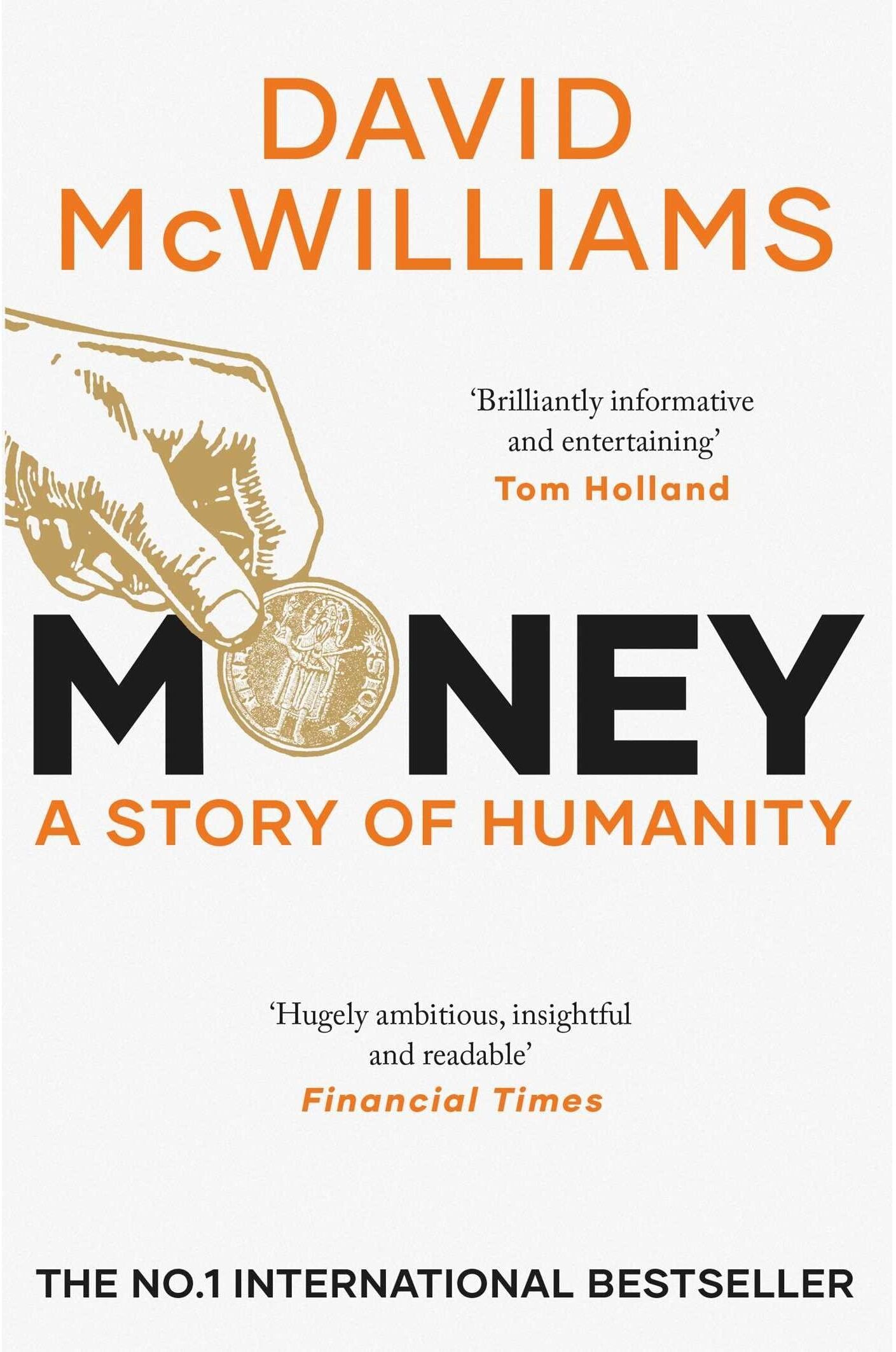
Simon & Schuster Money: A Story of Humanity by David McWilliams Economic History & Global Finance ExplainedIn Money: A Story of Humanity, renowned economist David McWilliams explores the fascinating history of money — not just as currency, but as a powerful force that has shaped human civilisation, relationships, technology, and global society. From ancient barter systems to cryptocurrency revolutions, McWilliams reveals how money reflects our values, ambitions, fears, politics, and culture.Rich with storytelling, sharp insights, and humour, this book makes complex economic ideas accessible, engaging, and deeply human. Perfect for readers who enjoy exploring how history, psychology, markets, and power intersect, Money: A Story of Humanity provides a fresh, eye-opening look at how money drives — and is driven by — human behaviour. Ideal for fans of Yuval Noah Harari, Tim Harford, Niall Ferguson, and Mary Beard.7,99 £*Shipping: 2,99 £Secure redirect to the provider
-
Board and Dice Nucleum Energy Research Institute Board Game - Strategic Economic Board Game with Energy Networks and Research DevelopmentBuild an industrial empire in an alternate twentieth century transformed by the Uranium Revolution. Compete to develop powerful energy networks, attract investment, and earn the support of influential patrons. Plan routes, expand research, and connect cities as you develop increasingly ambitious technologies. Every decision affects progress, from constructing facilities to pursuing contracts and partnerships. Resource management and long-term planning are essential to succeed.23,20 £*Shipping: 3,95 £Secure redirect to the provider



-
Why can the vehicle registration numbers be an indicator of economic trends?
Vehicle registration numbers can be an indicator of economic trends because they reflect the level of consumer spending and confidence in the economy. When the economy is doing well, people are more likely to purchase new vehicles, leading to an increase in vehicle registrations. Conversely, during economic downturns, people may hold off on buying new vehicles, leading to a decrease in vehicle registrations. Therefore, analyzing vehicle registration numbers can provide insights into the overall health of the economy and consumer behavior. **
-
How are economic cycles and economic growth related?
Economic cycles and economic growth are closely related. Economic cycles refer to the fluctuations in economic activity, including periods of expansion and contraction. Economic growth, on the other hand, refers to the long-term increase in a country's output of goods and services. During an economic expansion phase of the cycle, there is typically higher economic growth, as businesses invest and consumer spending increases. Conversely, during a contraction phase, economic growth tends to slow down or even turn negative. Therefore, economic cycles can have a significant impact on the overall level of economic growth in a country. **
-
What is the economic impact when social spending increases?
When social spending increases, it can have both positive and negative economic impacts. On the positive side, increased social spending can stimulate economic growth by putting money into the hands of those who are most likely to spend it, boosting consumer demand. This can lead to increased business activity, job creation, and overall economic expansion. However, if social spending is not managed efficiently, it can also lead to higher government deficits and debt, which may have long-term negative consequences for the economy. Therefore, it is important for policymakers to strike a balance between increasing social spending to support those in need and ensuring fiscal sustainability. **
-
Can one combine teaching with economic and social geography?
Yes, one can combine teaching with economic and social geography. By incorporating economic and social geography into their teaching, educators can provide students with a more comprehensive understanding of how economic systems and social structures interact and shape the world around them. This interdisciplinary approach can help students develop critical thinking skills and a deeper appreciation for the complexities of global issues. Additionally, integrating economic and social geography into teaching can help students make connections between theory and real-world applications, preparing them for future careers in fields such as urban planning, international development, and environmental sustainability. **

How does economic growth occur in the economic cycle?
Economic growth occurs in the economic cycle through a combination of factors. During the expansion phase of the cycle, businesses invest in new equipment and technology, leading to increased productivity and output. This increased production leads to higher employment levels and consumer spending, further fueling economic growth. Additionally, during this phase, consumer and business confidence is high, leading to increased investment and spending. Overall, economic growth occurs as a result of increased production, employment, and investment during the expansion phase of the economic cycle. **
What are the ecological, economic, and social goals of companies?
Companies aim to achieve ecological goals by reducing their environmental impact through sustainable practices, such as minimizing waste and emissions. Economically, companies strive to be profitable and financially sustainable by maximizing revenue and minimizing costs. Socially, companies aim to contribute positively to society by creating jobs, supporting local communities, and upholding ethical business practices. Balancing these goals is crucial for companies to operate responsibly and sustainably in the long term. **
Top-Angebote
Products related to Economic:
-
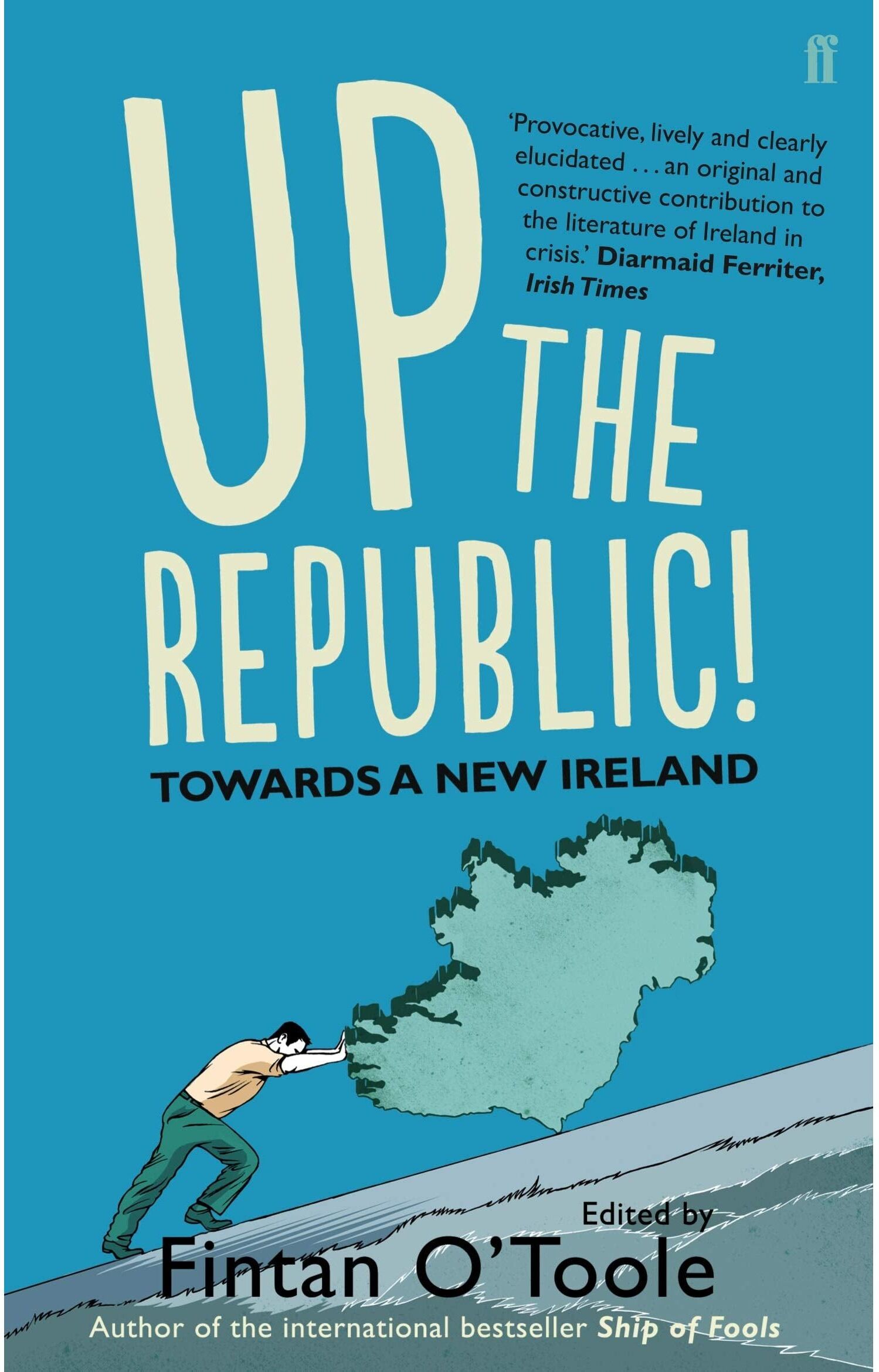
Faber Fintan O'Toole, Up the Republic! (Economic Book, Politics Book)Fintan O'Toole, Up the Republic! (Economic Book, Politics Book) In this important book, historians, lawyers, economists and writers come together to put a coherent case: that although the Irish economic collapse has resulted in national humiliation, renewed emigration and a decline in living standards for the majority of the population, there is still hope that the country can be reformed and renewed. Irish politicians offered the now notorious blanket guarantee to all the banks which had got in over their heads during the great property bubble - including one that had become little more than a criminal enterprise. A different set of politicians grimly enforces the consequences of that guarantee, locking an entire generation of Irish men and women into paying for the mistakes of greedy bankers and their corrupt friends in government. The energy of hope has to come from elsewhere. These essays demonstrate how simple measures and different economic and social policies could release that energy and fulfil the promise of an educated, literate and culturally vibrant people.4,99 £*Shipping: 1,99 £Secure redirect to the provider
-
Lookout Spiele - Le Havre Strategic Board Game - Economic Strategy - Lookout SpieleBuild a thriving shipping business in the bustling port of Le Havre. This strategic board game challenges players to manage resources, develop buildings, and invest in ships as they expand their commercial empire. Each round presents important economic choices. Players acquire goods, process resources, and use the harbor's buildings to generate greater value. Careful planning is essential, as workers must be fed while investments and construction compete for limited funds and materials.43,67 £*Shipping: 3,95 £Secure redirect to the provider
-
Crowd Games Nippon: Zaibatsu - Strategic Economic Board Game for 1-4 PlayersStrategic economic board game set during Japan's Industrial Revolution. Players invest in businesses, develop industries, lay railways, and manufacture goods. Complete contracts, pursue bonuses, and shape long-term plans. Suitable for ages 15+. Approximately 60-120 minutes.64,05 £*Shipping: 0,00 £Secure redirect to the provider
-
Roxley Games Brass: Birmingham - Economic Strategy Board Game - 30 × 29.8 × 5.2 cmBrass: Birmingham is an economic strategy board game set in Birmingham during the Industrial Revolution. Players take on the roles of competing entrepreneurs, developing industries, building networks, and managing resources as the city changes over time. This strategy game is a sequel to Brass, challenging players to plan carefully across two distinct periods. Construct industries, establish connections, and develop opportunities while responding to the changing demands of the marketplace. The game is designed by Martin Wallace and published by Roxley Games. It is supplied as a physical tabletop game, measuring approximately 30 × 29.8 × 5.2 cm. The game is made of brass-colored components.68,87 £*Shipping: 0,00 £Secure redirect to the provider
-
What are social, economic, and moral incentives?
Social incentives are rewards or punishments that come from interactions with others, such as approval or disapproval from peers. Economic incentives are rewards or punishments that come from financial gains or losses, such as receiving a bonus for meeting a sales target. Moral incentives are rewards or punishments that come from adhering to or violating ethical principles, such as feeling guilt for cheating or pride for helping others. These incentives can influence behavior and decision-making in various aspects of life. **
-
Why can vehicle registration numbers be an indicator of economic trends?
Vehicle registration numbers can be an indicator of economic trends because they provide insights into consumer behavior and purchasing power. An increase in vehicle registrations may suggest a growing economy, as people are more willing to make big-ticket purchases like cars. On the other hand, a decrease in vehicle registrations could indicate a slowdown in the economy, as people may be more cautious with their spending. Monitoring vehicle registration numbers can help economists and policymakers gauge the overall health of the economy and make informed decisions. **
-
Why can the vehicle registration numbers be an indicator of economic trends?
Vehicle registration numbers can be an indicator of economic trends because they reflect the level of consumer spending and confidence in the economy. When the economy is doing well, people are more likely to purchase new vehicles, leading to an increase in vehicle registrations. Conversely, during economic downturns, people may hold off on buying new vehicles, leading to a decrease in vehicle registrations. Therefore, analyzing vehicle registration numbers can provide insights into the overall health of the economy and consumer behavior. **
-
How are economic cycles and economic growth related?
Economic cycles and economic growth are closely related. Economic cycles refer to the fluctuations in economic activity, including periods of expansion and contraction. Economic growth, on the other hand, refers to the long-term increase in a country's output of goods and services. During an economic expansion phase of the cycle, there is typically higher economic growth, as businesses invest and consumer spending increases. Conversely, during a contraction phase, economic growth tends to slow down or even turn negative. Therefore, economic cycles can have a significant impact on the overall level of economic growth in a country. **
Similar search terms for Economic
-
Simon & Schuster Money: A Story of Humanity by David McWilliams Economic History & Global Finance ExplainedIn Money: A Story of Humanity, renowned economist David McWilliams explores the fascinating history of money — not just as currency, but as a powerful force that has shaped human civilisation, relationships, technology, and global society. From ancient barter systems to cryptocurrency revolutions, McWilliams reveals how money reflects our values, ambitions, fears, politics, and culture.Rich with storytelling, sharp insights, and humour, this book makes complex economic ideas accessible, engaging, and deeply human. Perfect for readers who enjoy exploring how history, psychology, markets, and power intersect, Money: A Story of Humanity provides a fresh, eye-opening look at how money drives — and is driven by — human behaviour. Ideal for fans of Yuval Noah Harari, Tim Harford, Niall Ferguson, and Mary Beard.7,99 £*Shipping: 2,99 £Secure redirect to the provider
-
Board and Dice Nucleum Energy Research Institute Board Game - Strategic Economic Board Game with Energy Networks and Research DevelopmentBuild an industrial empire in an alternate twentieth century transformed by the Uranium Revolution. Compete to develop powerful energy networks, attract investment, and earn the support of influential patrons. Plan routes, expand research, and connect cities as you develop increasingly ambitious technologies. Every decision affects progress, from constructing facilities to pursuing contracts and partnerships. Resource management and long-term planning are essential to succeed.23,20 £*Shipping: 3,95 £Secure redirect to the provider
-
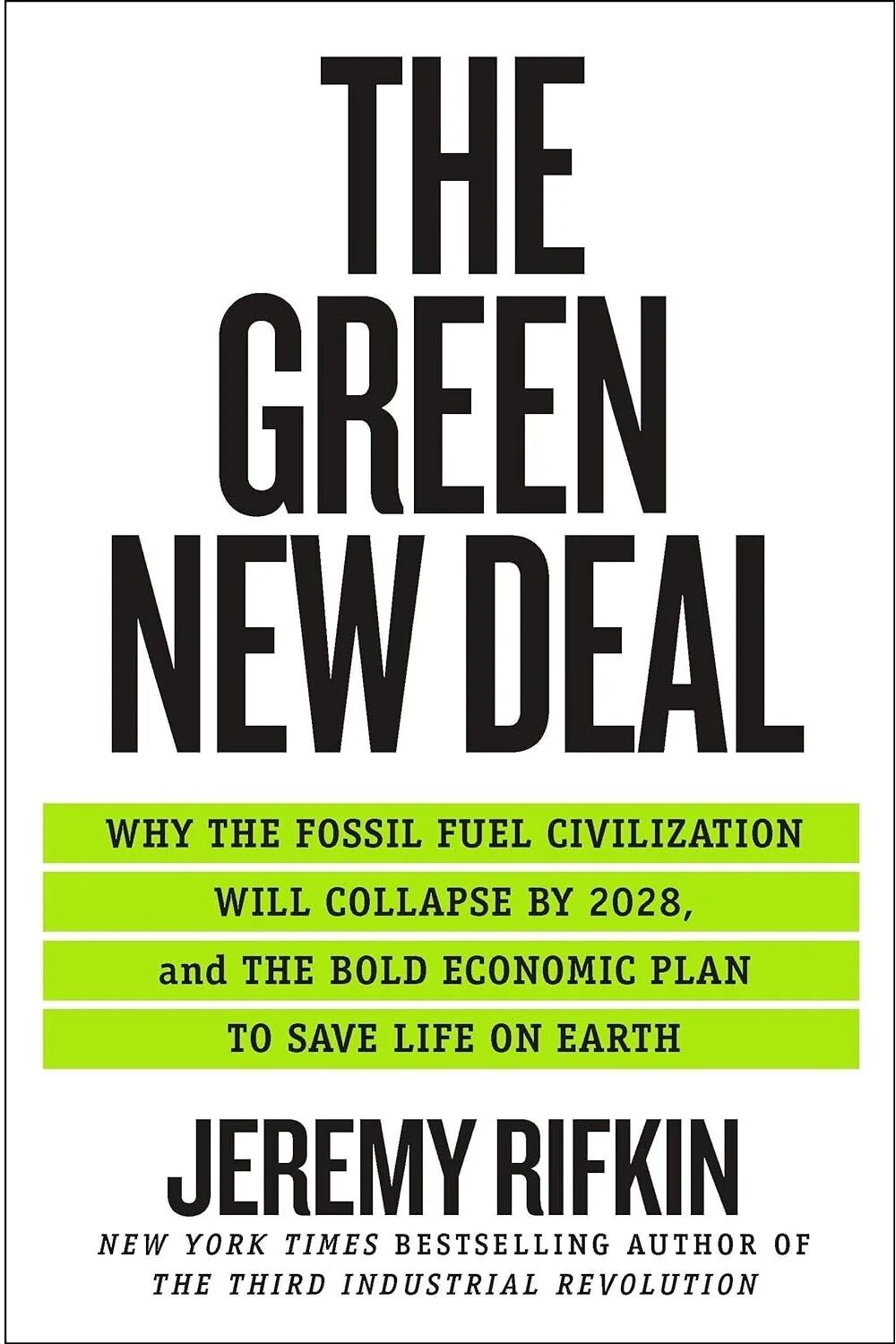
St. Martin's Press The Green New Deal by Jeremy Rifkin - Hardback Non Fiction - Bold Economic Plan for Climate Change and a Post-Carbon FutureThe Green New Deal by Jeremy Rifkin is a non-fiction hardback book that presents an urgent case for why the fossil fuel era is heading for collapse. Written by a New York Times bestselling economic theorist, this book offers sharp analysis for readers interested in climate policy, sustainable economics, and the future of global energy markets. Jeremy Rifkin argues that a convergence of collapsing fossil fuel asset values and a rising green political movement creates a genuine opportunity to pivot the global economy away from carbon before catastrophic climate tipping points are reached. Drawing on twenty-five years of experience helping design Green New Deal-style transitions for the European Union and China, Rifkin explains how a bold economic plan can steer society toward a post-carbon future. Published by St. Martin's Press, this book is suitable for adult readers interested in non-fiction topics.5,99 £*Shipping: 2,99 £Secure redirect to the provider
-
Educational Insights Boxineers Cardboard Vehicles Craft Kit - 84 Pieces for Kids - Educational InsightsTransform an ordinary cardboard box into a unique vehicle with the Boxineers Cardboard Vehicles Craft Kit. This kit includes 84 pieces, allowing children to create monster trucks, airplanes, rocket ships, recycling trucks, and many other imaginative creations. The reusable construction set features a child-friendly screwdriver and hole punch, making it easy for kids to attach the supplied parts without cutting the cardboard. Add wheels, wings, steering wheels, control panels, windows, flames, and other colorful accessories to customize each vehicle. The kit contains 30 bolts, six brackets, 40 reusable vehicle accessories, and six sticker sheets. Boxineers combines hands-on making with open-ended pretend play, encouraging children to experiment with how parts connect and solve simple construction problems.17,39 £*Shipping: 3,95 £Secure redirect to the provider
-
What is the economic impact when social spending increases?
When social spending increases, it can have both positive and negative economic impacts. On the positive side, increased social spending can stimulate economic growth by putting money into the hands of those who are most likely to spend it, boosting consumer demand. This can lead to increased business activity, job creation, and overall economic expansion. However, if social spending is not managed efficiently, it can also lead to higher government deficits and debt, which may have long-term negative consequences for the economy. Therefore, it is important for policymakers to strike a balance between increasing social spending to support those in need and ensuring fiscal sustainability. **
-
Can one combine teaching with economic and social geography?
Yes, one can combine teaching with economic and social geography. By incorporating economic and social geography into their teaching, educators can provide students with a more comprehensive understanding of how economic systems and social structures interact and shape the world around them. This interdisciplinary approach can help students develop critical thinking skills and a deeper appreciation for the complexities of global issues. Additionally, integrating economic and social geography into teaching can help students make connections between theory and real-world applications, preparing them for future careers in fields such as urban planning, international development, and environmental sustainability. **
-
How does economic growth occur in the economic cycle?
Economic growth occurs in the economic cycle through a combination of factors. During the expansion phase of the cycle, businesses invest in new equipment and technology, leading to increased productivity and output. This increased production leads to higher employment levels and consumer spending, further fueling economic growth. Additionally, during this phase, consumer and business confidence is high, leading to increased investment and spending. Overall, economic growth occurs as a result of increased production, employment, and investment during the expansion phase of the economic cycle. **
-
What are the ecological, economic, and social goals of companies?
Companies aim to achieve ecological goals by reducing their environmental impact through sustainable practices, such as minimizing waste and emissions. Economically, companies strive to be profitable and financially sustainable by maximizing revenue and minimizing costs. Socially, companies aim to contribute positively to society by creating jobs, supporting local communities, and upholding ethical business practices. Balancing these goals is crucial for companies to operate responsibly and sustainably in the long term. **
* All prices are inclusive of VAT and, if applicable, plus shipping costs. The offer information is based on the details provided by the respective shop and is updated through automated processes. Real-time updates do not occur, so deviations can occur in individual cases. ** Note: Parts of this content were created by AI.